Automation Roadmap
Findings & documentation from all Process Workshops




Deep Dive
Deep Dive transforms a specific software idea into a concrete, execution-ready plan.
Findings & documentation from all Process Workshops

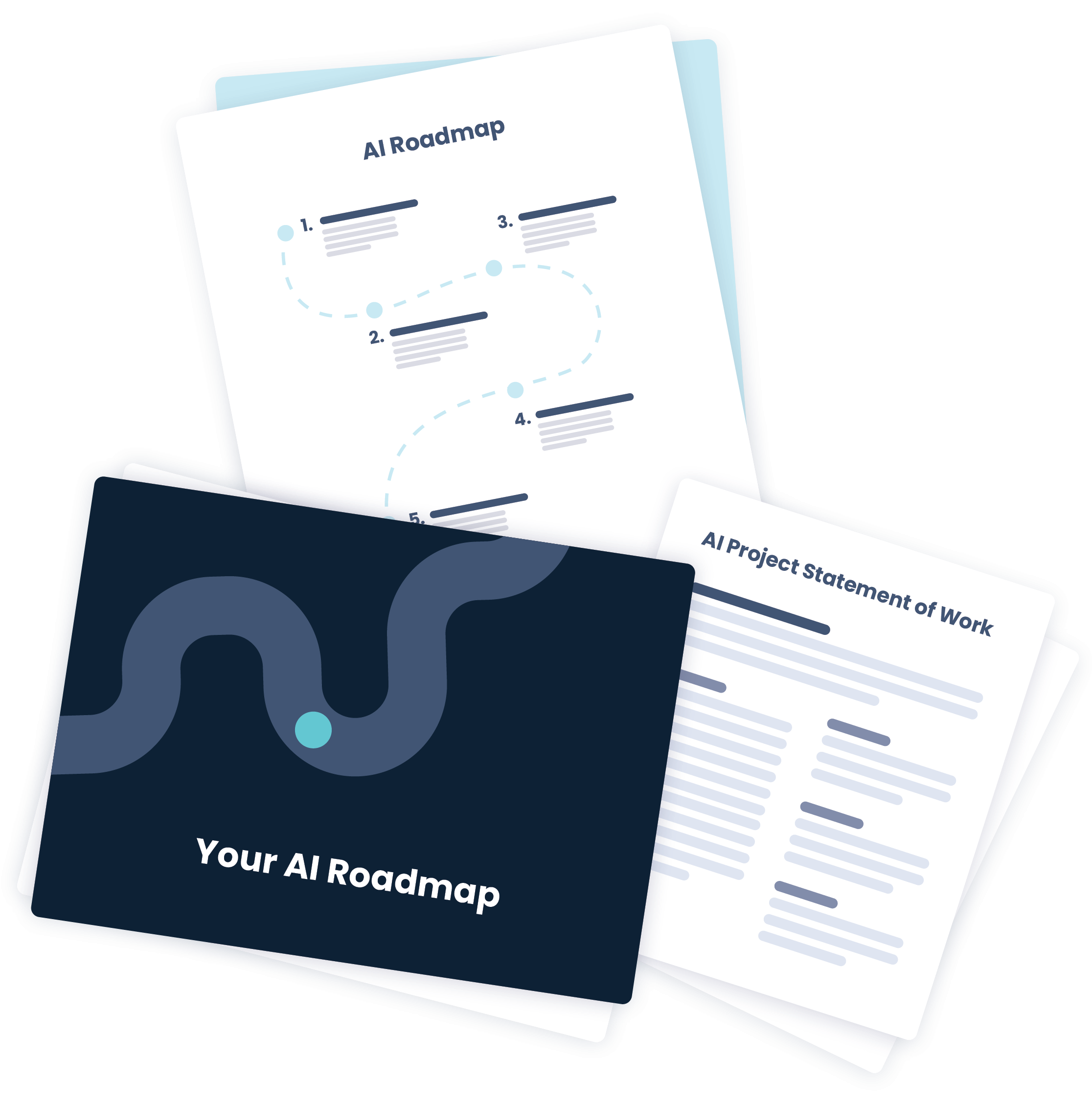
Project & resource plans for your AI project

Statement of work for each opportunity

First Look monitors designated email inboxes or accepts manual uploads, identifies broker emails and…
Read the Case Study
A $2.2B RIA with 20 advisors and a dedicated planning team replaced the daily…
Read the Case Study
A fee-only RIA with eleven advisors automated the work that follows every client meeting.…
Read the Case Study
Teammate AI automated RFP discovery and qualification for Riley Contracting Group, replacing roughly eight…
Read the Case Study
Teammate AI partnered with Payday HCM and Human Resources Consulting Group to automate payroll-data…
Read the Case Study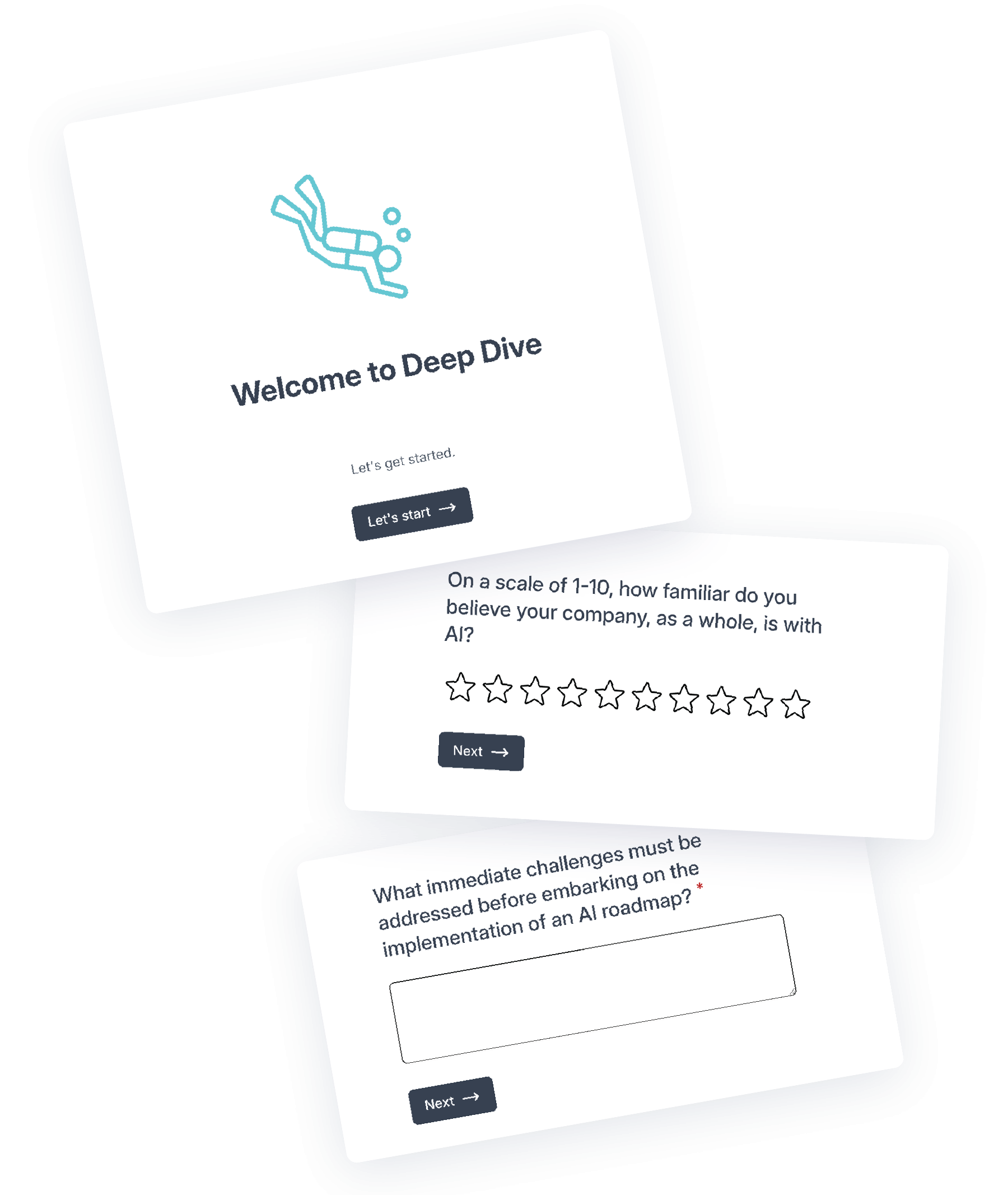
Step 1
We’ll set the stage for our time weeks together.
We’ll introduce AI with special emphasis placed on the importance of aligning AI with your Capabilities.
We’ll discuss key findings from the prework.
Step 2
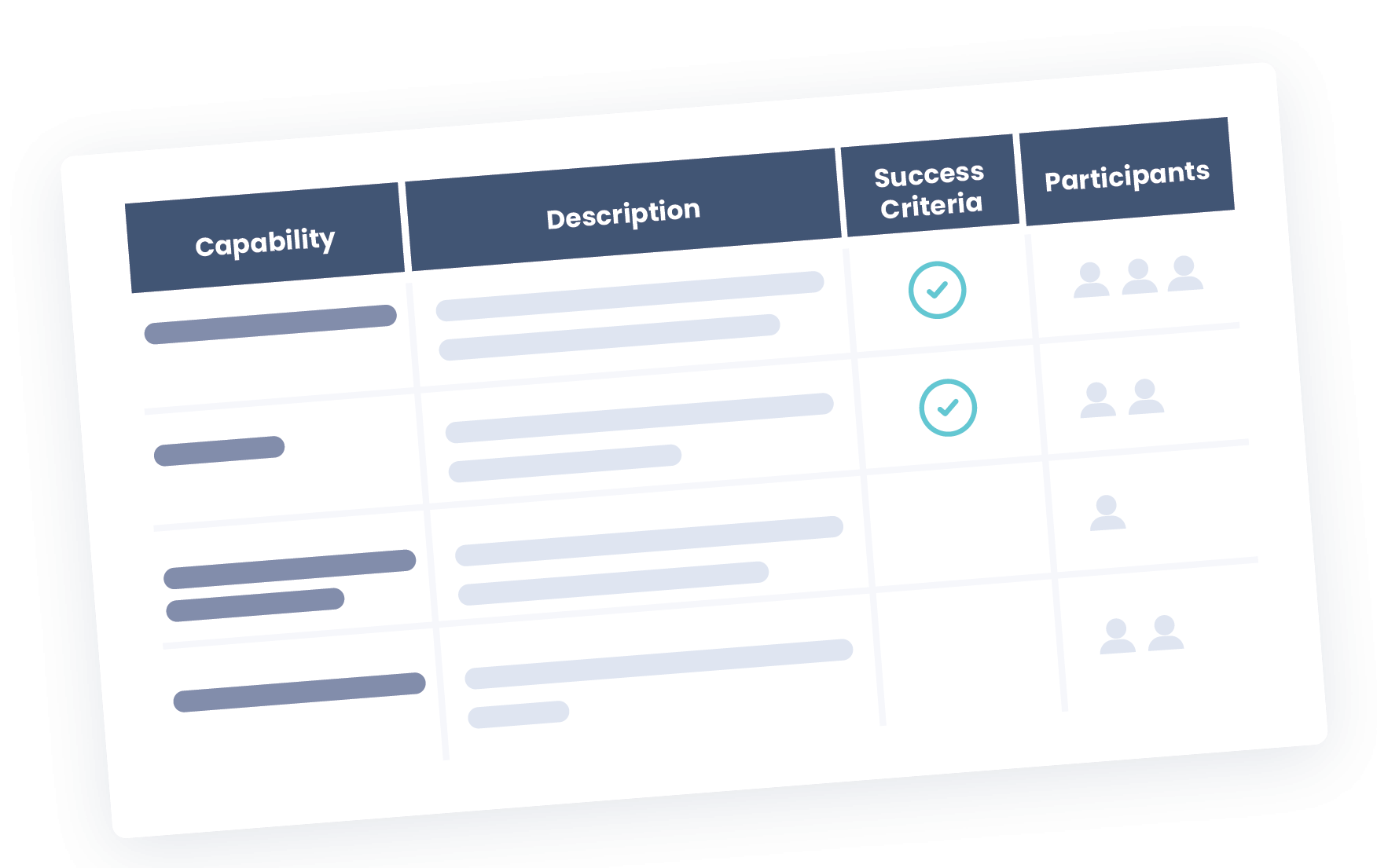
We’ll align on objectives, scope boundaries, and participants (SMEs, Process Owners)
We’ll explore your desired future state and align all the stakeholders.
1. Our goals for the session:
2. Create clarity around the desired future state.
3. Gain clarity on the success criteria for that future state.
4. Determine all the players involved in the current state.
5. Determine the action plan for performing Process Workshops
Step 3
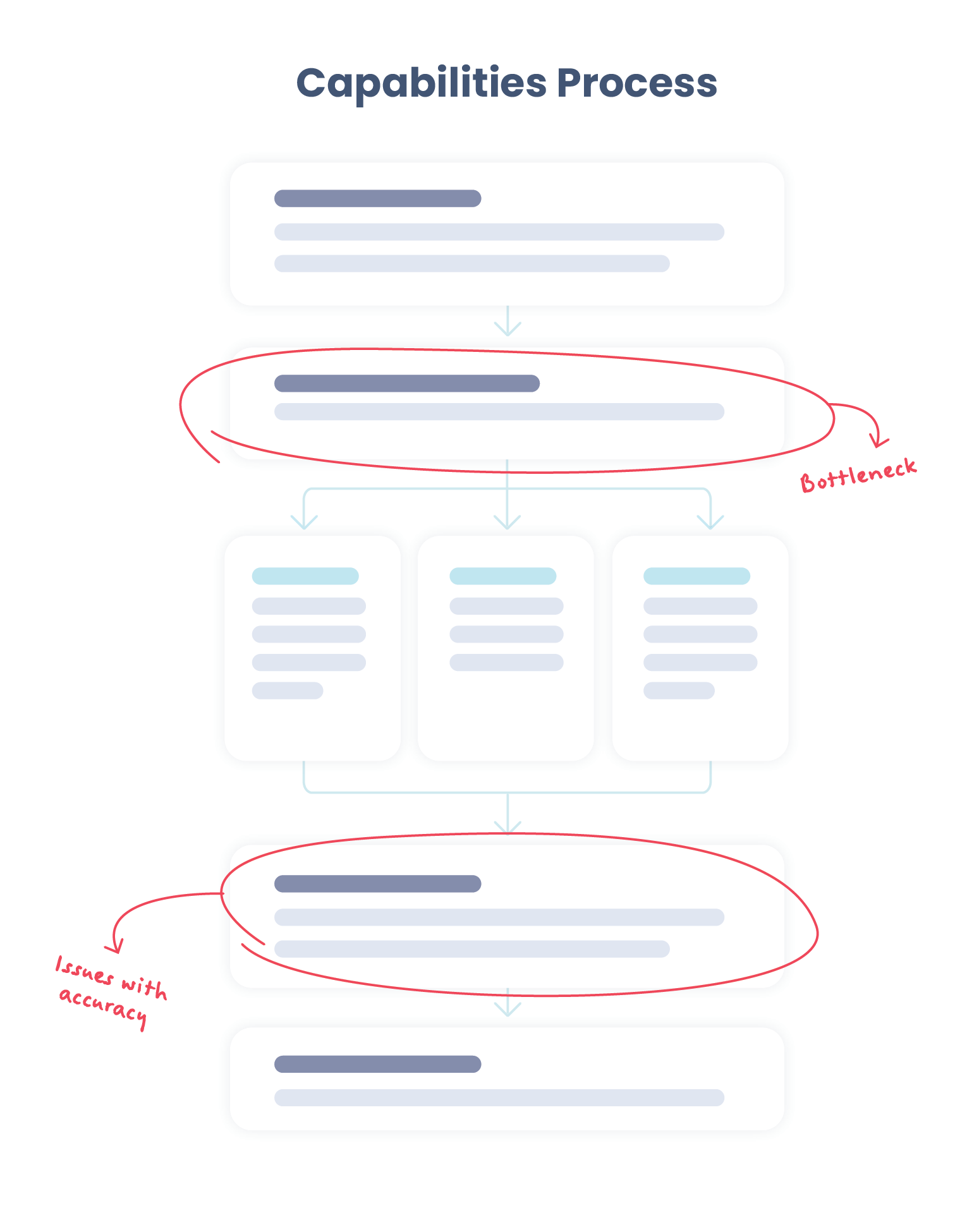
We’ll facilitate a detailed evaluation of how your capabilities are delivered today and the future state you aspire to achieve. We will gain insights into your strengths, understand supporting processes and technology, identify opportunities for AI integration, and plan for necessary investments.
Step 4
We’ll identify what’s needed to bridge the gap between your current state & desired Future state.
We synthesize findings & design the Future State solution: the capabilities, user interactions, data flows, integrations, and high-level architecture.
During a meeting with all stakeholders, we’ll validate the direction against your success criteria and gain your feedback.
Step 5
Using the Current State and desired Future State, as well as the verified gap between the two, we’ll prepare the following documentation:
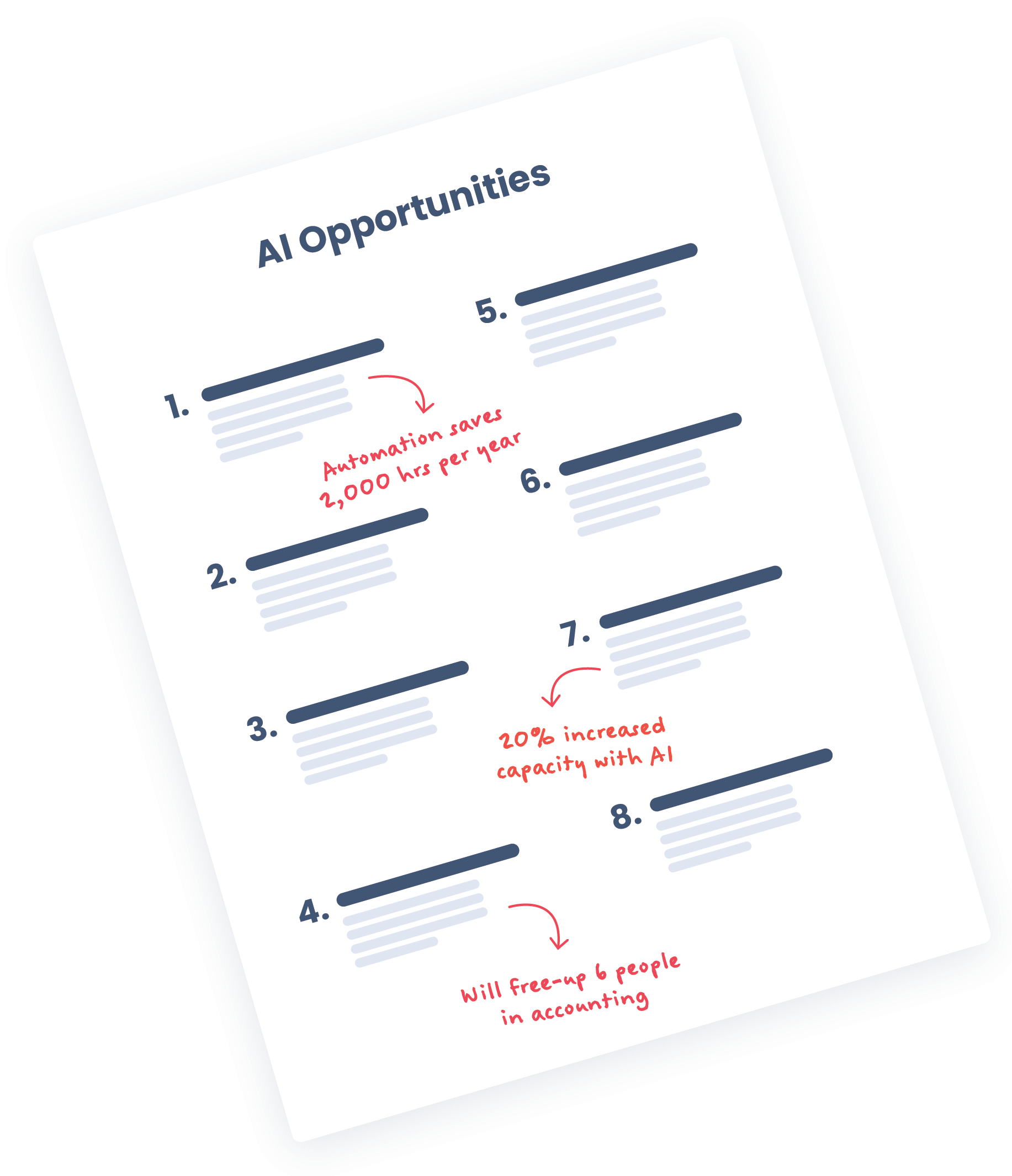
1. Technical Architecture & integrations
2. Project Plan & Milestones
3. Resource Estimates
4. Budget
5. ROI
6. Findings & documentation from all Discovery & Focus Workshops
These documents will serve as our blueprint for building with confidence.

Teammate AI's approach toward AI is spot on. AI is a tool for humans to enable better teamwork and build better client experiences.

Co-Founder of Strategic Coach
On our discovery call, we’ll discuss your future vision, what’s getting in your way, and see if AI can help you achieve that vision.
AI automation pricing is not driven by the AI model. It is driven by operational complexity. Five factors determine cost. 1. Number of Systems Involved More integrations increase complexity. 2.…
Read MoreCompare what businesses should expect from $5K–$10K integrations, $10K–$25K internal AI assistants and $25K–$75K+ custom automation systems. See representative use cases, technical complexity and realistic ROI expectations at each investment…
Read MoreAI automation delivers ROI when three conditions are met. 1. Repetition Exists High frequency workflows compound savings. 2. Outputs Are Clearly Defined You must know what good output looks like.…
Read MoreA Deep Dive is a structured scoping and solution design engagement for organizations with a clearly defined initiative. It examines a specific problem, opportunity, or transformation area in detail and produces an executable implementation plan.
Choose a Deep Dive when:
Automation Mining identifies and prioritizes opportunities across the business. A Deep Dive goes mile-deep into one specific initiative, translating a vision into technical and operational reality.
The goal is to transform an idea into a validated blueprint including functional requirements, solution design, architecture, phased roadmap, investment guidance, and impact analysis.
Typical phases include:
Deliverables include:
Most Deep Dive engagements run approximately 6-8 weeks, depending on complexity and stakeholder availability.
Yes. A core outcome is defining system design, integrations, workflows, data flows, constraints, and implementation considerations.
As-Is documentation captures how processes, systems, and workflows currently operate, including dependencies, inefficiencies, and constraints.
The solution blueprint defines the future-state design, showing how processes, systems, automation, and technology will work after implementation.
Yes. Impact and ROI framing are developed based on efficiency gains, cost reduction, revenue opportunities, scalability improvements, and risk mitigation.
Organizations typically move into:
Yes. Clients can proceed directly into development, integration, deployment, hosting, and ongoing support.
Yes. All documentation is structured for vendor-agnostic execution and smooth handoff if desired.
On our discovery call, we’ll discuss your future vision, what’s getting in your way, and see if AI can help you achieve that vision.
“A great starting place for entrepreneurs.” Peter Diamandis, XPrize Founder
Learn More
See how other companies are using AI to increase capacity and drive efficiency.
Learn MoreInsights on AI strategy, implementation, and what it actually takes to drive adoption.
Learn More